What Is Native Wood Mulch?
Homeowners who come across natural-looking mulch from a local tree company often wonder, What is native wood mulch? It’s mulch made from real tree material, including branches, limbs, and other usable wood that can be processed after tree pruning, tree removal, and similar tree work. Instead of that wood automatically being treated as waste, it can be chipped or ground and put back to work in local landscapes.
Around Dallas-Fort Worth, native wood mulch is useful for everything from mature trees and landscape beds to pathways and larger commercial properties. Chippers Tree Service is one local tree company that produces native wood mulch from tree material generated through its work around DFW. It’s not meant to look exactly like the colored mulch stacked in bags outside a home improvement store, and for many properties, that’s exactly the point.
How Is Native Wood Mulch Made?
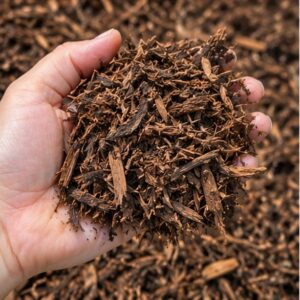
Tree work produces a lot of wood. Pruning a mature tree can generate a sizable pile of branches, and removing a large tree produces considerably more.
Rather than treating every piece as something that needs to be thrown away, usable tree material can be processed into mulch. Branches, limbs, and wood are chipped or ground into smaller pieces that can be spread over the soil.
Because the material comes from different trees, the finished mulch can have different colors and textures mixed together. It’s a natural tree product, so variation is expected.
Why Is It Called Native Wood Mulch?
The word “native” helps describe where the wood material comes from rather than suggesting that every chip comes from one particular species of tree. Local tree companies work with many different trees throughout North Texas, so a batch of mulch can contain a mixture of tree material.
Chippers Tree Service works throughout the Dallas-Fort Worth area, where pruning, storm cleanup, and tree removal generate wood every day. Processing suitable material into mulch gives some of that local wood a useful second life.
A limb removed from a tree in Grand Prairie, for example, doesn’t necessarily have to end its usefulness when it comes off the tree. Once processed, that same wood can become mulch used somewhere else in the DFW landscape.
What Does Native Wood Mulch Look Like?
Native mulch generally looks more natural than manufactured decorative mulch. The pieces won’t necessarily be identical in size, and the color may include different shades of brown and natural wood tones.
Freshly processed wood can also look different from material that has been outside for several months. Sun, rain, and normal weathering gradually change its appearance.
That makes native mulch particularly attractive around mature trees and natural landscape beds. It tends to blend into the property rather than creating a perfectly uniform layer of color.
Is Native Wood Mulch the Same as Dyed Mulch?
They’re both used as mulch, but they aren’t the same product. Dyed mulch is typically processed to create a more consistent appearance and then colored to achieve shades such as black, brown, or red.
Native wood mulch keeps its natural appearance. There can be more variation from one batch to another depending on the tree material being processed.
Someone designing a formal front entrance may prefer a consistent decorative mulch. A homeowner covering the ground beneath several large oak trees may prefer the more natural look of native wood.
Is Native Wood Mulch Good for Trees?
Trees are one of the best places to use wood mulch. A layer over the soil can help reduce moisture loss and shield the ground from direct sunlight.
That can be especially useful in North Texas. Dallas summers can bring long stretches of heat, and exposed soil around a tree can dry quickly.
Mulch doesn’t mean a tree can go without water. During prolonged dry weather, supplemental watering may still be necessary. The mulch simply helps protect the soil surface and can help moisture stay in the ground longer.
How Should Native Mulch Be Used Around a Tree?
The goal is to cover the soil around the tree, not bury the trunk. Mulch should be spread outward while leaving the immediate base of the tree and root flare uncovered.
Chippers crews see plenty of landscapes where mulch has been piled into a steep mound against a tree. That may create a tidy-looking circle from the street, but it’s not a reason to keep adding material against the bark.
A wider, reasonable layer is generally more useful. It covers more soil and creates a larger protected area around the tree without burying the trunk.
Can Native Mulch Protect Trees From Lawn Equipment?
This is a simple benefit that can make a real difference over time. When grass grows directly against a tree, someone usually has to use a mower or string trimmer right beside the trunk.
Repeated contact with lawn equipment can injure the bark. Younger trees can be particularly vulnerable because their trunks are smaller and easier to damage.
A mulched area gives the tree some breathing room. Grass doesn’t need to be trimmed right against the trunk, and lawn equipment can stay farther away.
Can Native Wood Mulch Be Used in Landscape Beds?
Native wood mulch isn’t limited to trees. It works well in landscape beds around shrubs and other established plants.
Larger beds can use much more mulch than homeowners expect. A few bags may disappear quickly once they’re spread across a long bed along the front or side of a house.
Bulk native mulch can be a practical alternative for those projects. It covers larger areas without requiring someone to buy, transport, open, and dispose of a long stack of plastic bags.
Does Native Wood Mulch Work for Paths?
Natural wood mulch can make a nice surface for informal walking paths. It fits especially well in wooded yards, garden areas, and landscapes where concrete or gravel would feel too formal.
A Dallas homeowner with several mature trees might use mulch to create a path between a patio and a garden. Another property might use it through a shaded section where grass has always struggled.
The wood will settle and break down over time, so paths may need more material occasionally. That’s normal with a natural product.
What Happens to Native Mulch Over Time?
Wood doesn’t stay exactly the same once it’s spread outside. Sunlight fades it, smaller pieces settle into the layer below, and the material gradually decomposes.
That’s one reason old mulch doesn’t necessarily need to be hauled away before new material is added. Some of it naturally becomes part of the organic material near the soil surface.
The depth should still be checked before adding more. Continually piling new mulch on top of an already deep layer isn’t necessary.
Is Native Wood Mulch Good for Dallas Heat?
Native wood mulch can be especially useful in hot landscapes because it keeps the soil from sitting completely exposed to the sun. During a North Texas summer, that coverage can be valuable around trees and landscaped areas.
A homeowner may notice that bare soil becomes dry and hard fairly quickly during hot weather. Covered soil doesn’t receive the same direct exposure.
For trees, mulch works best as part of normal care rather than as a cure-all. Proper watering, avoiding root damage, and sensible pruning still matter.
Can Native Mulch Be Used on Commercial Properties?
Absolutely. Commercial landscapes often have enough square footage that bulk mulch makes more sense than individual bags.
Apartment communities, office buildings, churches, HOA common areas, schools, and other properties may have numerous trees and landscape beds. Native wood mulch can be used across those areas while maintaining a consistent, natural look.
Commercial properties can also have large shaded areas where grass is difficult to maintain. Mulch can be a useful ground-cover option in some of those spaces.
Why Reuse Tree Material as Mulch?
Tree pruning and removal are going to produce wood whether that material gets reused or not. Turning appropriate wood into mulch gives it another purpose.
Instead of seeing every branch as debris, the material can become something useful for another landscape. It’s a straightforward way to get more use from a local resource that already exists.
For a tree company such as Chippers, the connection makes sense. Tree work generates the material, and many of the properties the company works on can also benefit from properly used wood mulch.
Is Native Wood Mulch Right for Every Yard?
It depends on what the property owner wants. Someone looking for a perfectly uniform black or red mulch probably won’t get the look they’re after from a natural tree product.
Homeowners who like a more organic appearance may prefer it. Native mulch fits particularly well around large trees, wooded properties, natural landscape beds, pathways, and larger areas where buying decorative bagged mulch becomes expensive or inconvenient.
Understanding the appearance before ordering is helpful. Native mulch should look like natural wood because that’s exactly what it is.
What Is Native Wood Mulch?
For homeowners still asking What is native wood mulch?, the simple answer is that it’s processed tree material given another useful job after pruning, removal, or other tree work. It can help cover exposed soil, retain moisture, create separation from lawn equipment, and provide natural ground cover around trees and landscaping.
Chippers Tree Service is one Dallas-Fort Worth company that offers native wood mulch produced from local tree material. For homeowners, landscapers, businesses, and property managers who prefer a natural wood product, native mulch can be a practical choice for everything from mature trees and landscape beds to pathways and larger properties.