Professional Tree Trimming in Dallas! Explore Them
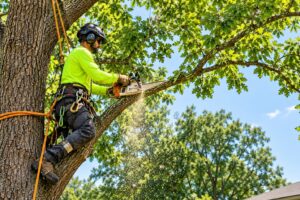
Benefits of Professional Tree Trimming in Dallas: Keeping Your Trees in Good Shape
If you’ve got a big oak or pecan tree in your yard, you probably love the shade it gives you. But after a few years, those branches can start getting pretty close to the roof, hanging over the driveway, or growing into each other. Some of the biggest benefits of professional tree trimming in Dallas are getting those problem branches out of the way and keeping your trees in good shape.
At Chippers Tree Service, we’ve worked on plenty of trees around Dallas-Fort Worth. Some haven’t been trimmed in 10 or 15 years. Others just have a few branches that need attention. Every tree is a little different, and sometimes less cutting is actually better.
Getting Rid of Dead Branches
You’d be surprised how many dead branches can be hiding in a big tree. From the ground, everything might look green and healthy, but up in the canopy there could be several dead limbs.
Those branches eventually come down. Sometimes they fall on the lawn, and sometimes they land on a fence, car, or roof.
We’ve seen homeowners call after a storm because a large branch came down in the backyard. Once we look at the rest of the tree, there may be other dead limbs that haven’t fallen yet.
Getting those branches removed before they fall can save a lot of trouble later.
Keeping Trees Off the Roof
In older Dallas neighborhoods, there are plenty of trees that have grown right up alongside the house.
An oak that was planted years ago might now have branches stretching over half the roof. Some of those limbs can rub against shingles or gutters when the wind picks up.
That doesn’t mean the whole tree needs to come down.
We can often trim back the branches that are causing problems and leave the rest alone. Homeowners get to keep their shade without having limbs scraping against the house.
Some Branches Just Grow in the Wrong Direction
Trees don’t always grow nice, evenly spaced branches. Sometimes two limbs cross each other and start rubbing together. Other times, one branch grows straight into the middle of the tree.
When branches rub, they can wear away the bark and leave damaged spots.
We look for those branches when trimming. Removing one poorly placed limb can give the others room to grow without constantly rubbing against each other.
The goal isn’t to make every tree perfectly shaped. A big old oak is supposed to look like a big old oak, not something trimmed into a ball.
Dallas Storms Can Be Rough on Trees
Anyone who’s lived in Dallas long enough has seen what happens after a strong spring thunderstorm. There are branches all over the streets, fences knocked down, and sometimes entire trees lying across driveways.
Trimming won’t stop a healthy tree from losing a limb during a really bad storm. But removing dead or damaged branches can take care of some of the weak spots before the wind gets to them.
We sometimes get calls after storms from homeowners who noticed a cracked limb hanging high in the tree. It might have stayed up during the storm, but that doesn’t mean it’s safe to leave it there.
Those are the branches we’d rather see taken care of before somebody parks a car underneath them.
Keeping the Shade Without Cutting Too Much
One mistake we see is trees that have been trimmed way too aggressively.
Somebody cuts off a bunch of large branches because they want more sunlight in the yard. A few months later, the tree has weak new shoots growing everywhere, and it doesn’t look very good.
Topping a tree can cause even more problems. Large cuts leave big wounds, and the new growth that comes back may not be strongly attached.
With mature trees, we usually prefer taking out the branches that actually need to go.
Dallas summers are hot enough already. There’s no reason to remove half the shade from a healthy tree if a few careful cuts will do the job.
Making the Yard Easier to Use
Not every trimming job is about dead branches or storm damage.
Sometimes the branches have simply gotten too low. You can’t mow underneath the tree without ducking, or the limbs are brushing against your truck every time you pull into the driveway.
We’ve seen backyards in Arlington and Grand Prairie where the lower branches have grown right over the patio. The tree is healthy, but the family can barely walk underneath it.
Trimming a few lower limbs can open things up without taking away the whole canopy.
You still get the shade, but you can actually use the space underneath the tree.
Why Large Trees Are Hard to Trim Yourself
A small branch that you can safely reach from the ground is one thing. A heavy oak limb hanging 30 feet above the roof is something else.
Large branches can weigh a lot more than people expect. Once they’re cut, they can swing or fall in a direction you weren’t planning on.
When we’re working near a house, fence, or swimming pool, we may need to lower sections of wood with ropes rather than let them fall.
Where the branch gets cut matters too. Cutting too close to the trunk can damage the tree, while leaving a long stub can create problems later.
That’s why we don’t recommend homeowners climb ladders with chainsaws to tackle large branches.
How Often Should You Trim Trees in Dallas?
Some trees need attention more often than others.
A younger tree may need occasional pruning to help it develop a good structure. A mature oak that’s growing well and doesn’t have dead or damaged branches might not need much trimming for several years.
If branches are touching the house or hanging over the driveway, you’ll probably want to keep a closer eye on them.
We don’t believe in cutting trees just because another year has gone by. If a tree is healthy and growing well, sometimes the best thing to do is leave it alone.
When Is the Best Time to Trim Trees?
Late winter is often a good time to handle planned trimming on many deciduous trees around Dallas. With the leaves gone, it’s easier to see where the branches are growing.
But not every tree should be trimmed the same way or at the same time.
Oak trees need extra attention because of oak wilt. In North Texas, it’s generally best to avoid unnecessary oak pruning during the higher-risk spring period, and fresh wounds should be handled according to Texas oak wilt guidance.
Dead or broken branches that pose a danger may need to be removed regardless of the season.
If you’ve got a branch hanging over the driveway after a storm, you’re not going to leave it there for six months just because winter is the preferred trimming season.
What Does Professional Tree Trimming Cost?
It depends on the tree and how much work needs to be done.
Trimming a few branches from a smaller tree in the front yard is usually much easier than working on a huge oak behind a two-story house.
Some properties have narrow gates, fences, patios, or swimming pools that make getting equipment into the yard difficult.
We also have to account for cleanup. A few large branches can turn into a pretty big pile of wood once they’re on the ground.
When getting a quote, make sure you know whether hauling away the branches and cleaning up the yard are included.
Professional Tree Trimming in Dallas-Fort Worth
A tree doesn’t have to look perfectly trimmed to be healthy. In fact, some of the nicest trees around Dallas are the ones that have been allowed to grow naturally, with only occasional pruning when something needs attention.
At Chippers Tree Service, we’ve been working with North Texas trees for more than 20 years. We handle tree trimming and pruning for homes and businesses in Dallas, Fort Worth, Arlington, Grand Prairie, Irving, Mansfield, and surrounding areas.
The benefits of professional tree trimming in Dallas are pretty simple. You can get rid of dead limbs, keep branches away from the house, make the yard easier to use, and still have a beautiful shade tree when the work is done.
If you’ve got an oak, pecan, or elm that’s getting a little out of hand, give Chippers Tree Service a call at 972-743-9959. We’ll take a look and let you know what needs trimming and what can stay.